
December 21, 2025
Embracing Change: Opportunities in the UAV Market Post-DJI Ban

Drones
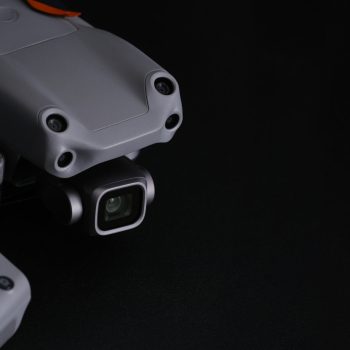
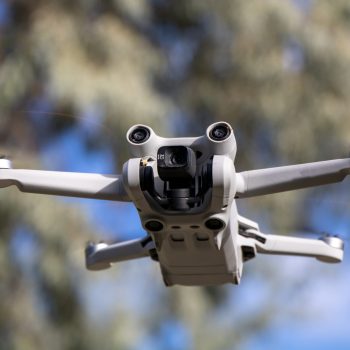
The recent ban on DJI drones in the United States has raised significant concerns among UAV operators and businesses reliant on aerial technology. While it may seem like a setback, this shift can also pave the way for new opportunities, particularly in the aerial roof inspection sector for both residential and commercial properties.
Understanding the DJI Ban
In December 2022, the U.S. government imposed restrictions on DJI drones due to national security concerns, primarily related to data privacy and potential espionage. The ban affects a wide range of users, from hobbyists to professionals in various industries. According to a report by the Association for Unmanned Vehicle Systems International (AUVSI), approximately 70% of commercial drone operators in the U.S. utilized DJI products before the ban. This sudden shift has left many wondering how they can adapt and thrive in an evolving drone landscape.
The Silver Lining: Opportunities for Growth
1. Diversification of Drone Manufacturers: With the exit of DJI from the market, there’s a significant opportunity for domestic and international drone manufacturers to fill the gap. Companies like Skydio and Parrot are already gaining traction, and their innovative technology can cater to the specific needs of aerial inspections, allowing operators to explore alternatives without compromising quality.
As Chris Anderson, co-founder of 3D Robotics, noted, “This is a chance for American manufacturers to innovate and compete in a market that has been dominated by a single player.”
2. Increased Demand for Aerial Inspections: The demand for aerial roof inspections is on the rise. According to a report by Research And Markets, the global drone inspection market is expected to reach $6.2 billion by 2026, growing at a CAGR of 36.5%. The ability to conduct quick and efficient inspections using UAV technology can significantly reduce costs and time for both residential and commercial properties.
3. Enhanced Safety and Efficiency: Aerial inspections reduce the risks associated with traditional methods, such as scaffolding or ladders. Drones can capture high-resolution images and videos, allowing inspectors to identify issues without putting personnel in potentially hazardous situations. This efficiency not only expedites the inspection process but also enhances the accuracy of assessments. “Drones allow us to cover more ground in less time, providing our clients with detailed reports that were previously challenging to obtain,” says Sarah Thompson, a roof inspector based in Texas.
4. Regulatory Support for Innovation: The Federal Aviation Administration (FAA) has been actively working to update regulations surrounding UAV operations. As the regulatory landscape evolves, there may be new opportunities for operators to experiment with advanced technologies such as AI and machine learning in inspections, further enhancing service offerings.
5. Local Business Growth: The shift away from DJI products encourages local businesses to invest in homegrown UAV solutions, thus stimulating economic growth. By fostering a competitive environment, the U.S. can cultivate innovation and job creation in the UAV sector
Conclusion
While the DJI ban presents challenges, it also unlocks a plethora of opportunities for growth in the UAV market, especially in aerial roof inspections. As businesses pivot to new technologies and practices, the focus on safety, efficiency, and local innovation will drive the industry forward. By embracing change, stakeholders in the UAV market can turn potential setbacks into stepping stones for a brighter future.
References
– Association for Unmanned Vehicle Systems International (AUVSI) Report
– ResearchAndMarkets: Global Drone Inspection Market Report
– Chris Anderson, 3D Robotics Co-founder
– Sarah Thompson, Texas Roof Inspector
This blog post provides insights into the current UAV landscape and highlights the potential for growth in the aerial inspection sector, encouraging stakeholders to adapt and innovate in the face of change.

About Us
Delivering breathtaking aerial views with precision and creativity. Your vision, our lens
Recent Post

Delivering quality roof inspections for both residential and commercial properties
Contact

Explore
Support
Copyright © 2025 Sky Smart Inspections